
Late updated: 06 Jan 2026 13:01
Written by: Daniel Harper
Smart Home Design Solutions For Energy Efficiency: Optimising Sustainability
In an era where energy conservation is essential, smart home design stands as a crucial innovation for boosting energy efficiency. As we integrate intelligent technologies into our living spaces, we find new paths to save energy without sacrificing comfort. Utilising smart home design solutions, we can significantly minimise energy consumption while maintaining a cosy and functional environment.
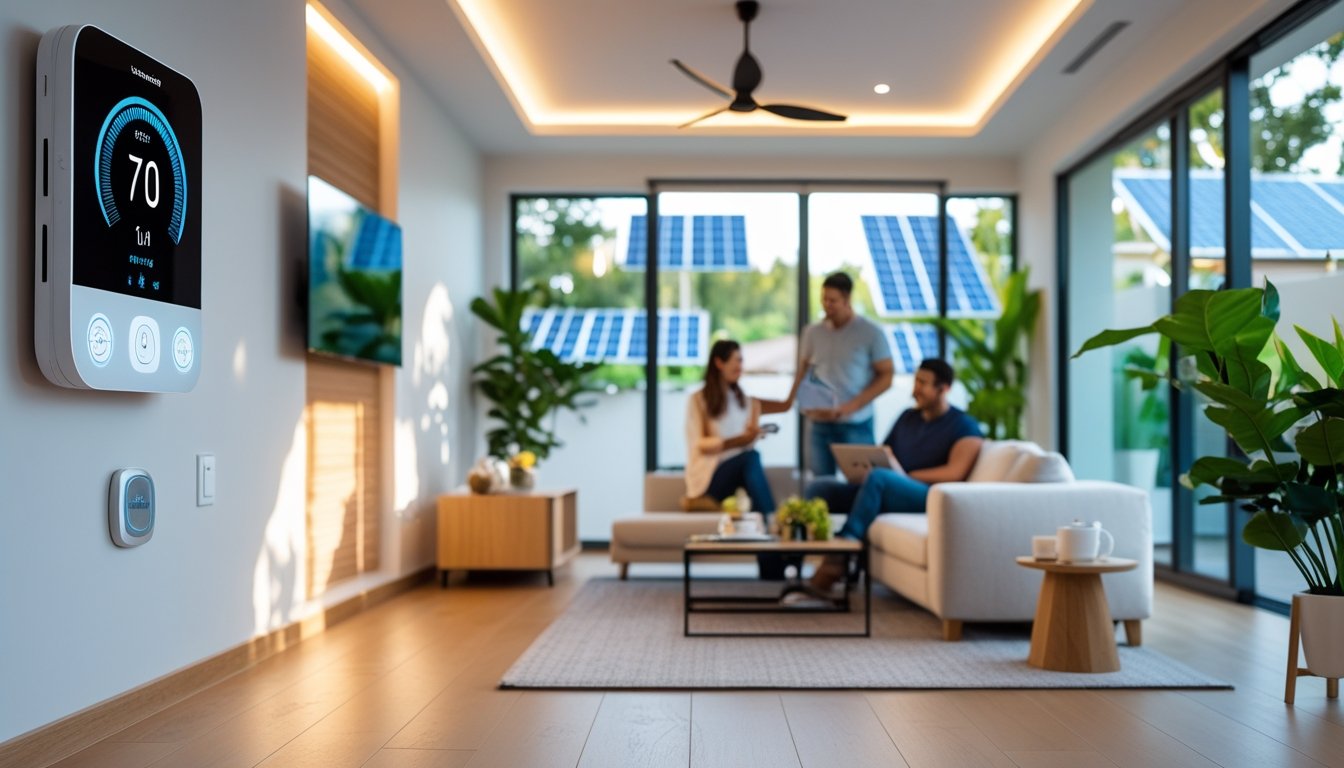
Smart appliances, strategic designs, and advanced insulation are transforming residential spaces into efficient energy ecosystems. These solutions, such as smart thermostats and automated lighting, allow us to optimise energy use by adapting to our daily routines. This seamless integration of technology not only reduces our carbon footprint but also translates to substantial savings on energy bills.
The potential of smart home technology is a game-changer for eco-friendly living. As we explore different strategies, incentives, and design ideas, we open new doors to sustainable living. Join us on this journey to understand how adopting these innovations can benefit both our homes and the environment.
Key Takeaways
- Smart home design reduces energy usage while enhancing comfort.
- Technologies like smart thermostats optimise energy management.
- Energy-efficient homes lead to long-term savings and sustainability.
Core Smart Home Design Strategies for Energy Efficiency
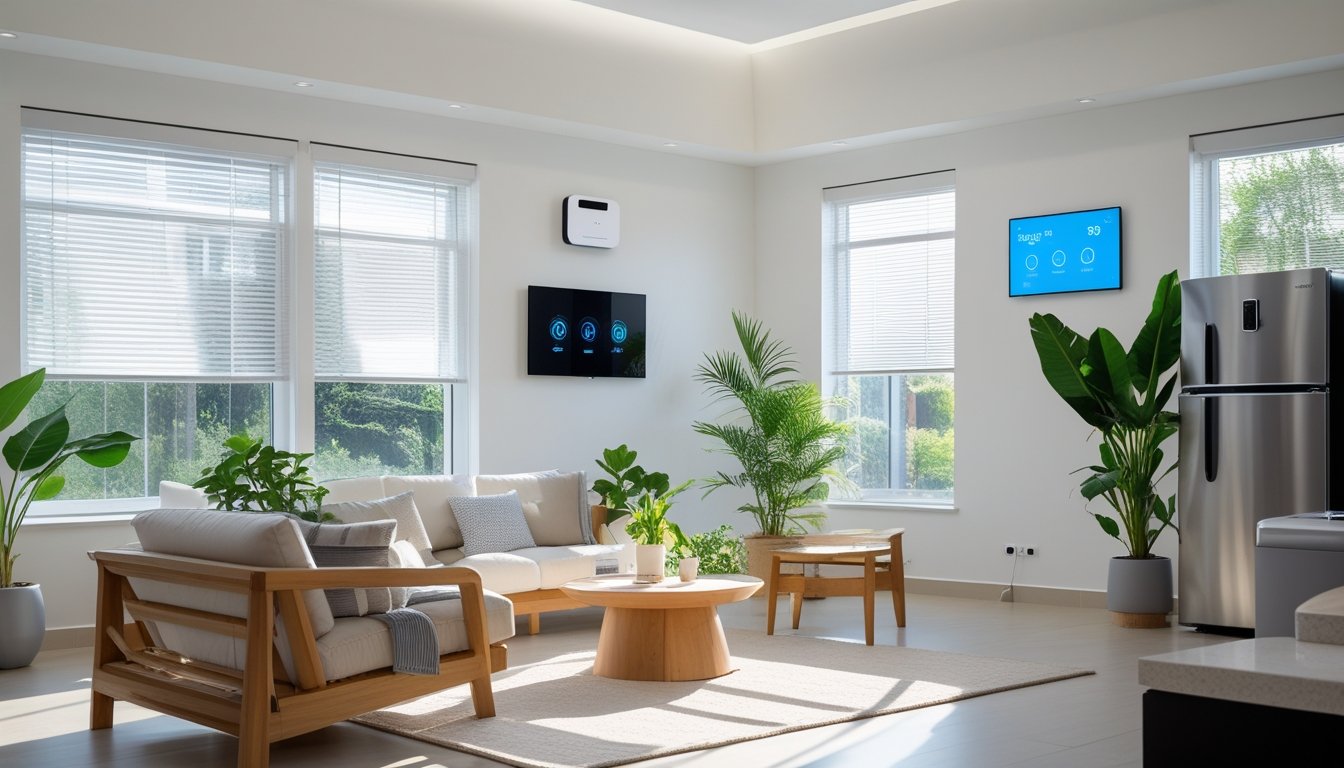
Smart home design offers several strategies to enhance energy efficiency, leveraging advanced technologies like smart thermostats, automated systems, and intelligent controls. These innovative solutions help reduce energy consumption by optimising usage patterns and enabling real-time monitoring.
Integrating Smart Thermostats and Learning Controls
Smart thermostats such as the Nest Learning Thermostat and Ecobee have revolutionised how we manage home energy. These devices adapt to our weekly routines, creating automated schedules to adjust heating and cooling efficiently. Learning controls observe our usage patterns and make adjustments to ensure comfort and cost savings. This IoT technology is compatible with platforms like Google Home and Apple HomeKit, offering seamless integration with other smart devices. Energy savings achieved through precise control can be significant, making smart thermostats a crucial component in energy management. As we continue to automate, these systems help us achieve optimal temperature settings throughout the day, reducing unnecessary energy use.
Automated Smart Lighting Systems
Automated smart lighting systems, such as Philips Hue and those compatible with various smart home platforms, provide excellent opportunities to optimise lighting for energy efficiency. These systems utilise smart bulbs and motion sensors to offer real-time adjustments based on room occupancy. By programming lights to operate only when needed, we can drastically reduce electricity consumption. Smart lighting allows for additional customisation, such as altering brightness and colour temperature to suit different times of the day, enhancing both mood and visibility. Energy Star rated smart bulbs ensure that the energy savings extend further, and integrating these with motion-sensitive switches can maximise efficiency without compromising comfort or style.
Reducing Energy Consumption with Smart Plugs and Power Strips
Smart plugs and power strips are vital tools in controlling energy consumption by managing the power supply to individual devices and appliances. These items allow us to remotely turn off electronics, even if we're not at home, via a mobile app. This control ensures that devices aren't consuming phantom power when not in use—a common source of energy waste. Smart plugs and power strips often come with capabilities for scheduling power usage and monitoring energy consumption in real time. This technology empowers us to lower unnecessary electrical consumption, contributing not only to energy savings but also to a cleaner, more sustainable environment. By implementing these devices, we're equipped to make informed decisions about our electricity use.
Comprehensive Energy Management and Optimisation Solutions
Smart home design integrates various energy management and optimisation solutions to enhance energy efficiency. This includes the implementation of advanced home energy management systems, the integration of energy-efficient smart appliances, and innovative window treatments that maximise the use of natural light.
Home Energy Management Systems and Smart Monitoring
Home Energy Management Systems (HEMS) are pivotal in streamlining the energy consumption process. By acting as a central hub, HEMS integrates various smart devices, sensors, and appliances, enabling real-time monitoring and management of energy usage. This technology relies on smart energy monitors and smart meters to provide detailed insights into consumption patterns. For instance, our system can automatically adjust power distribution, prioritising essential devices during peak times and deferring less critical tasks. With the advent of AI techniques, these systems have become adept at predicting energy usage patterns, adjusting operations for maximum efficiency, and contributing to cost savings. Data analytics plays a significant role here, allowing users to monitor past energy usage and identify potential areas for improvement, enhancing overall energy efficiency.
Energy-Efficient Smart Appliances and Connected Devices
Incorporating energy-efficient smart appliances, such as smart refrigerators and smart washing machines, significantly contributes to household energy efficiency. These appliances come equipped with sensors and smart energy features that optimise operation, often by reducing power usage during peak grid times. EV chargers can also be connected to smart home systems to optimise charging based on utility rates. We can schedule these appliances to run during off-peak hours, using less costly electricity. Many smart appliances can be controlled via mobile apps, providing flexibility and convenience in managing energy consumption remotely. Connected devices further aid in creating a seamless network that encourages efficient energy use. The result is reduced energy costs and a noteworthy decrease in environmental impact by conserving energy.
Smart Window Treatments and Natural Lighting Techniques
Integrating smart window treatments, such as motorised blinds and various types of window films, allows for efficient management of a home’s natural lighting. These treatments can be automated to maximise natural light, reduce glare, and manage heat gain, leveraging renewable energy sources like solar panels where possible. Smart systems can adjust these treatments based on the time of day or environmental conditions, ensuring optimal lighting and temperature control without manual intervention. Using renewable energy, like solar or wind, for power enhances this setup's eco-friendliness. By emphasising natural light, we reduce reliance on artificial lighting, cutting down on energy usage. These solutions not only contribute to energy savings but also improve the indoor aesthetic and comfort.
Frequently Asked Questions
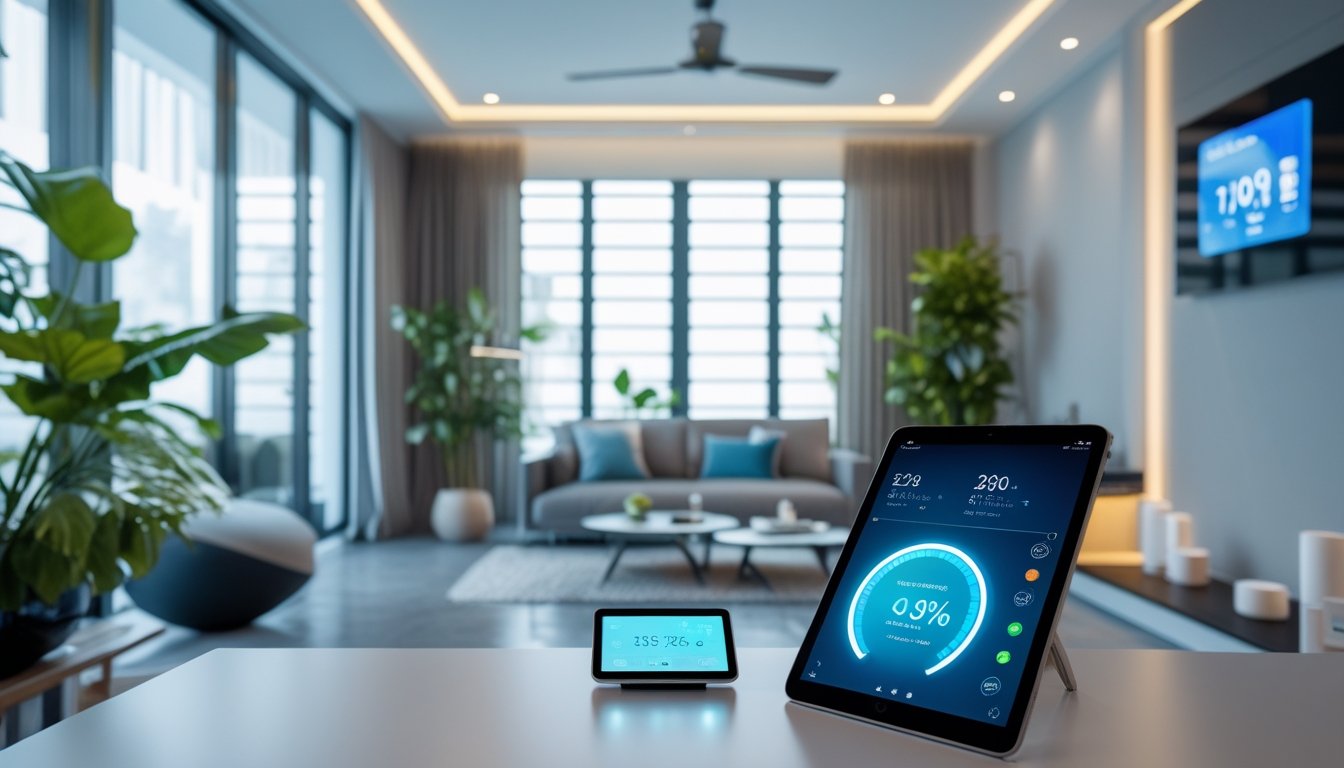
Addressing energy efficiency through smart home solutions involves a mix of innovative technologies and strategic planning. By implementing smart thermostats, lighting, appliances, and renewable energy, homeowners can significantly reduce their energy consumption while maintaining comfort and convenience.
What are the most effective strategies for reducing energy consumption in a smart home?
Effective strategies include using smart thermostats to regulate temperature based on occupancy patterns and weather predictions. Smart lighting systems can be automated to adjust based on natural light and time of day, while energy-efficient appliances are vital for minimising consumption.
How can smart thermostats contribute to home energy efficiency?
Smart thermostats offer precise temperature control and are capable of learning the habits and preferences of household members. By optimising heating and cooling schedules, they significantly reduce unnecessary energy use. Integration with mobile apps allows remote adjustments, ensuring comfort and efficiency.
In what ways do smart lighting systems aid in energy conservation?
Smart lighting systems use motion sensors and timers to ensure lights are on only when needed. They can be programmed to dim or switch off in unoccupied rooms. Utilising LED bulbs further decreases energy use.
What role do energy-efficient appliances play in the design of a smart home?
Energy-efficient appliances minimize electricity consumption without sacrificing performance. They often have smart features enabling remote control and integration with energy management systems, allowing for optimised operation schedules to take advantage of lower tariff times.
How can homeowners integrate renewable energy sources in smart home design?
Homeowners can incorporate solar panels and wind turbines to harness renewable energy. Smart energy management systems distribute this energy efficiently across home appliances, reducing reliance on the grid. These systems can work with battery storage solutions to ensure continuous supply.
What are the benefits of using energy monitoring systems in smart homes?
Energy monitoring systems provide real-time insights into energy use, helping homeowners understand consumption patterns. They help identify energy-heavy devices and times, allowing users to adjust their habits and make informed decisions about efficiency improvements.