
Late updated: 28 Dec 2025 13:12
Written by: Daniel Harper
Innovative Techniques For Sustainable Interior Design: Transformative Approaches For Eco-Friendly Spaces
Innovative techniques in sustainable interior design are transforming the way we create and enjoy our living spaces. By integrating sustainable materials and energy-efficient solutions, we are able to craft interiors that do not compromise on style or comfort while being kind to our environment. As we step into the future of interior design, it becomes essential to adopt practices that support the planet and promote well-being.
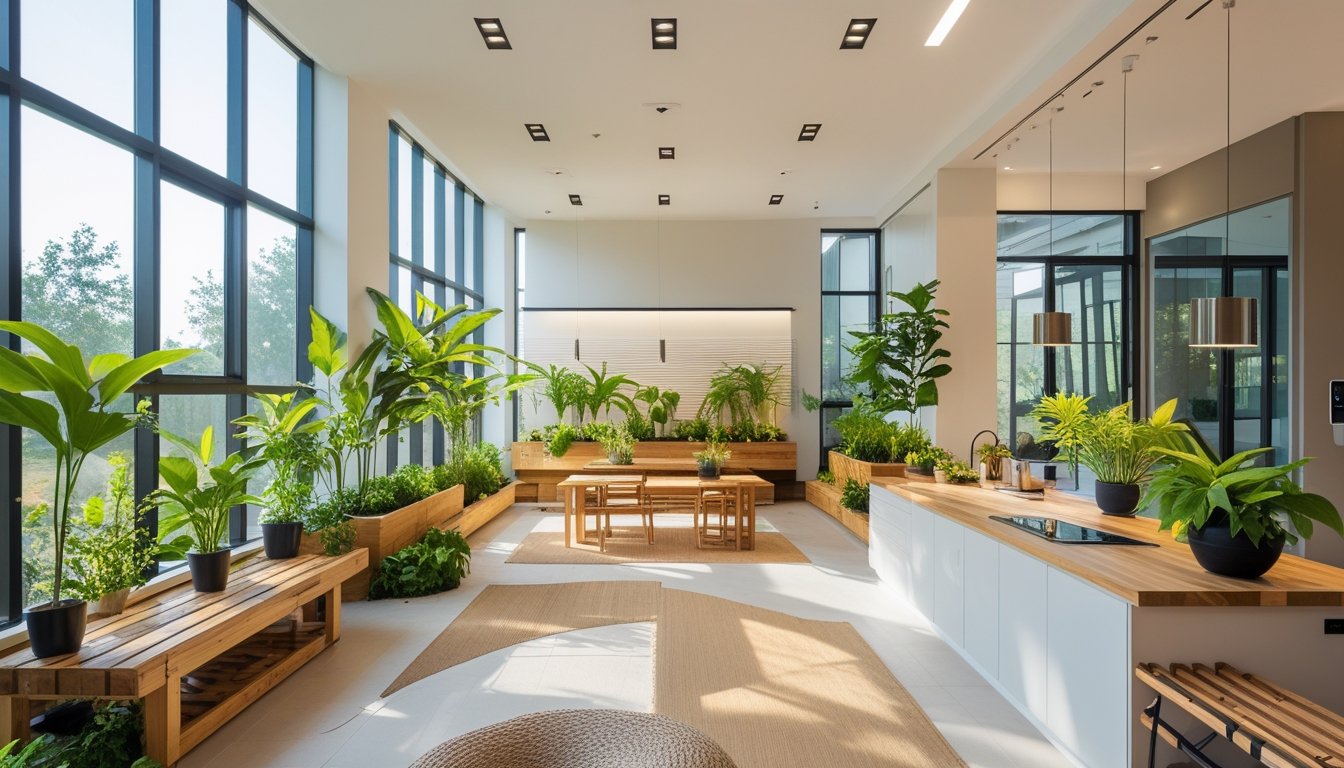
Incorporating eco-friendly elements does more than just reduce waste and conserve energy. It paves the way for healthier living environments. With the rise in awareness about the importance of sustainability, designers are increasingly focused on creating spaces that not only meet aesthetic standards but also contribute to a more mindful lifestyle.
Our focus is to delve into these cutting-edge approaches and provide readers with actionable insights. Whether it's for a home or business, exploring how sustainable methods can transform spaces will captivate those passionate about design and conscious living.
Key Takeaways
- Innovative techniques enhance sustainable interior design without sacrificing style.
- Eco-friendly elements create healthier, more mindful living environments.
- Sustainable methods are increasingly integral to modern interior design.
Innovative Techniques For Sustainable Interior Design
Incorporating sustainability into interior design is a key focus for creating spaces that are both beautiful and kind to our planet. Through careful material selection, optimising natural light, and embracing energy-efficient solutions, we can design environments that are not only innovative but also eco-friendly.
Smart Material Selection For Sustainability
Choosing sustainable materials is fundamental in interior design. We should prioritise eco-friendly options like reclaimed wood, bamboo flooring, and recycled materials. These not only reduce environmental impact but also provide unique textures and aesthetics. Recycled glass countertops, for instance, offer both style and sustainability. Opting for natural fibres like organic cotton and sustainable fabrics in upholstery helps minimise chemical use. By embracing biodegradable and renewable materials, we support the circular economy and contribute to waste reduction. Upcycling vintage furniture or using recycled metal in fixtures can further enhance the eco-conscious character of a space.
Maximising Natural Light And Ventilation
Utilising natural light reduces reliance on artificial lighting. Incorporating skylights and strategically placed windows not only enhances illumination but also improves ventilation. This approach not only saves energy but also creates a healthier indoor environment by promoting airflow. We can design spaces with open layouts that facilitate the flow of natural light, which in turn makes rooms feel larger and more welcoming. The installation of transparent partitions or light-filtering blinds can also optimise light distribution while maintaining privacy. By prioritising natural elements, we ensure our designs are bright, airy, and energy-efficient.
Energy-Efficient Lighting And Appliances
Adopting LED lighting and other energy-efficient solutions is crucial in sustainable interior design. LEDs consume significantly less energy than traditional bulbs and have a much longer lifespan. Using energy-efficient appliances not only reduces utility costs but also minimises environmental impact. Smart technology can further enhance efficiency; for instance, motion sensors and timers ensure lights and appliances are only active when needed. Selecting zero-VOC paint improves indoor air quality, aligning with energy-saving strategies. With thoughtful selection of appliances and fixtures, we create spaces that are both modern and eco-conscious.
Designing For Longevity And Adaptability
Designing with longevity in mind requires us to choose durable materials and adaptable layouts. Modular and multi-functional furniture support changing needs without requiring frequent replacement. This approach not only saves resources but also aligns with the principles of the circular economy. By encouraging waste reduction, we minimise environmental impact over time. Using high-quality, timeless pieces also ensures that interiors remain stylish and functional beyond short-lived trends. Our focus must be on creating versatile spaces that can evolve with the occupants’ lifestyles, reducing the need for continual redesign and refurbishment.
Healthy, Eco-Conscious Interiors
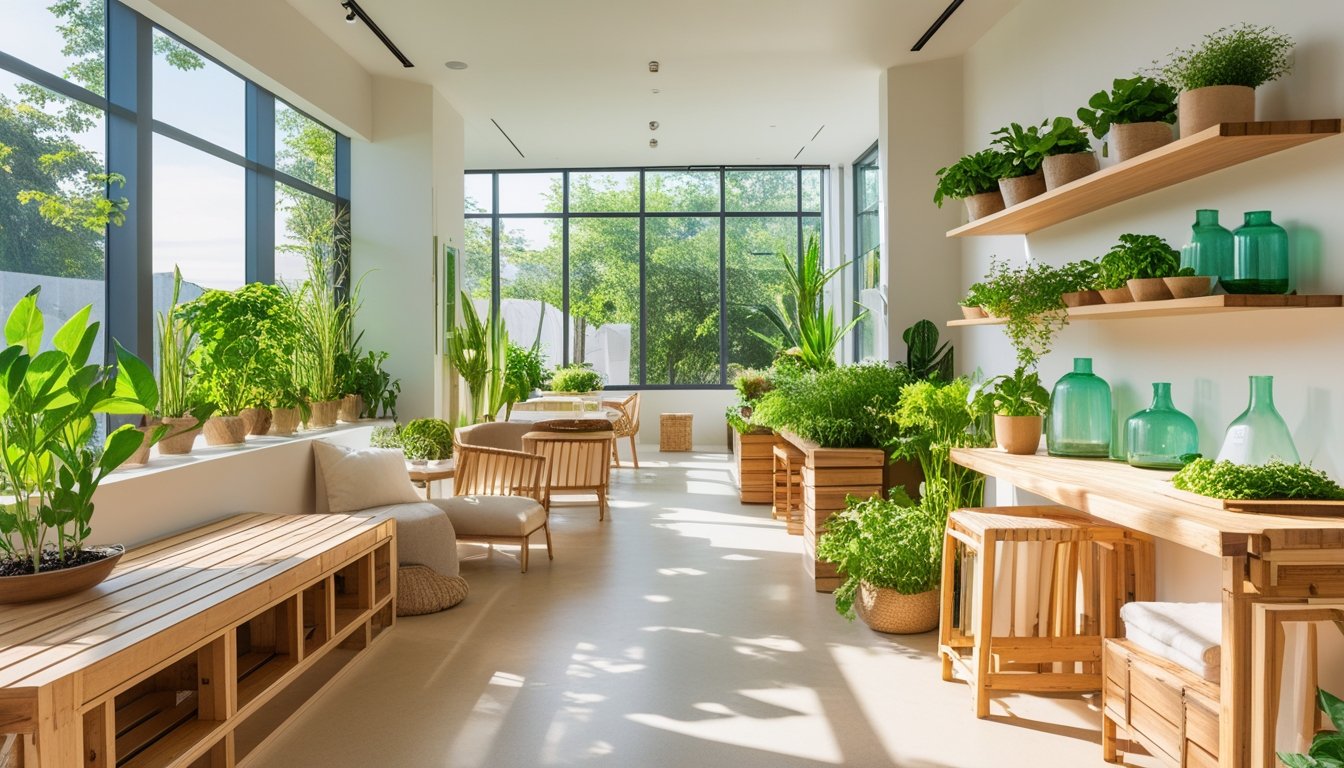
Creating a healthy, eco-conscious environment means focusing on materials and practices that enhance our well-being while minimising environmental impact. Our approach intertwines improved indoor air quality, integration of nature, and efficient water usage.
Improving Indoor Air Quality With Non-Toxic Materials
Indoor air quality significantly influences our health. By choosing non-toxic materials such as low-VOC (Volatile Organic Compounds) paints and finishes, we can reduce pollutants found in many conventional products. These options release fewer harmful chemicals, making our interiors safer and healthier.
Effective ventilation systems are equally important. They help in circulating fresh air, thus diluting indoor pollutants. It's essential to select non-toxic furniture and decor, as these also contribute to indoor air quality. Non-toxic materials like untreated or naturally sourced wood can further reduce potential emissions in our spaces. Prioritising these choices not only supports sustainability but also promotes a healthier living environment.
Biophilic Elements And Indoor Plants Integration
Integrating biophilic design elements offers a connection to nature that enhances our interiors. This involves incorporating features like indoor plants, living walls, and vertical gardens. Such designs not only add aesthetic value but also purify the air and improve mood.
Plants like the snake plant excel at increasing oxygen levels while being low maintenance. Including elements such as green roofs or strategically placing indoor greenery fosters a calming and inspiring environment. The presence of natural elements positively impacts our mental well-being, creating spaces that are both serene and revitalising.
Water Conservation And Resource-Efficient Fixtures
Water conservation is a critical part of our eco-friendly design efforts. Resource-efficient fixtures such as dual-flush toilets and water-saving taps help us reduce consumption without sacrificing convenience. Implementing technology like low-flow showerheads complements our water-saving goals.
Additionally, collecting rainwater for landscape irrigation and using greywater recycling systems can significantly lower our water footprint. By embracing these fixtures, we are able to design interiors that not only ensure efficient water use but also lessen the impact on the environment. Our commitment to water conservation forms a crucial component of creating sustainable, earth-friendly homes.
Frequently Asked Questions
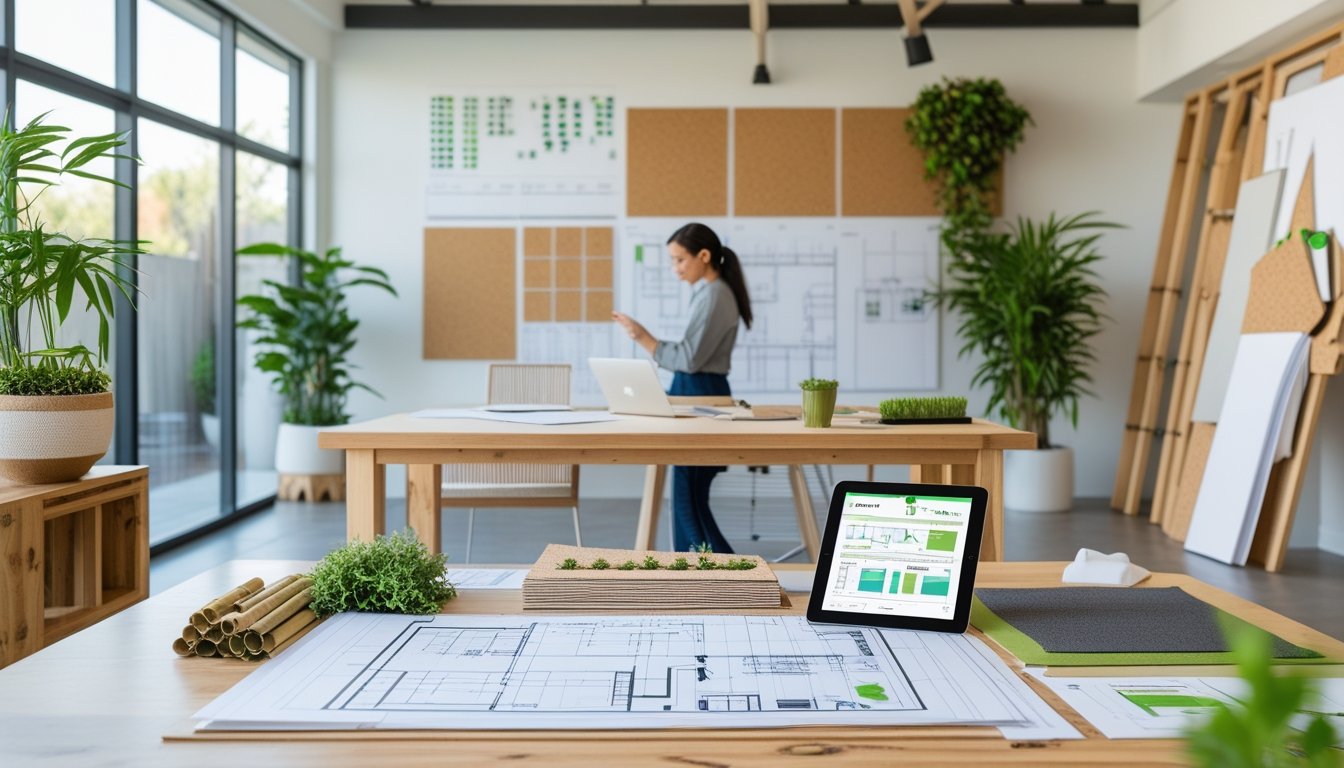
Our expert insights into sustainable interior design highlight various innovative techniques that promote eco-friendliness. We cover core principles, energy efficiency, upcycling, and more.
What are the core principles of sustainable interior design?
The foundation of sustainable interior design includes resource conservation, energy efficiency, and environmental responsibility. By prioritising these principles, we create eco-friendly and functional spaces that harmonise with nature. The use of non-toxic materials and renewable resources further exemplifies this approach.
How can energy-efficient lighting be integrated into home interiors?
Integrating LED lighting and smart systems significantly enhances energy efficiency in home interiors. These technologies not only reduce electricity consumption but also offer customisable light settings to suit our needs. Additionally, incorporating natural light through strategic window placement and skylights amplifies this effect.
In what ways can upcycled materials be used in interior decoration?
Upcycling takes centre stage in sustainable interiors by transforming waste into decorative elements. Repurposing old furniture with a fresh coat of eco-friendly paint or creating wall art from reclaimed wood are a few ways we can innovate. Such techniques reduce waste and give spaces unique character.
What role do indoor plants play in creating eco-friendly living spaces?
Indoor plants contribute to air quality and enhance the aesthetic appeal of our homes. By absorbing toxins and releasing oxygen, plants support a healthier environment. Moreover, they can be creatively arranged to serve as living art, adding a vibrant touch to interiors.
How does the choice of insulation materials contribute to sustainability in interior design?
Opting for eco-friendly insulation materials like recycled denim or wool supports energy efficiency. These materials maintain indoor temperature efficiently, reducing the need for excessive heating or cooling. This approach not only lessens environmental impact but also cuts down on energy bills.
What are innovative water conservation practices in interior design?
Implementing water-saving fixtures, such as low-flow taps and dual-flush toilets, significantly conserves water. We can also incorporate rainwater harvesting systems for non-potable uses. These practices ensure responsible water usage, making our interiors more sustainable.