
Late updated: 07 Dec 2025 10:12
Written by: Daniel Harper
Creative Ways To Use Reclaimed Wood In Your Garden: Inspiring Ideas For Unique Outdoor Spaces
Using reclaimed wood in our gardens not only adds a touch of rustic charm but also promotes sustainability by reducing waste. It's a versatile material that can be repurposed into a variety of creative and functional garden projects. Whether it's crafting beautiful planters, creating unique pathways, or even building cosy seating areas, reclaimed wood brings character and warmth to any outdoor space.
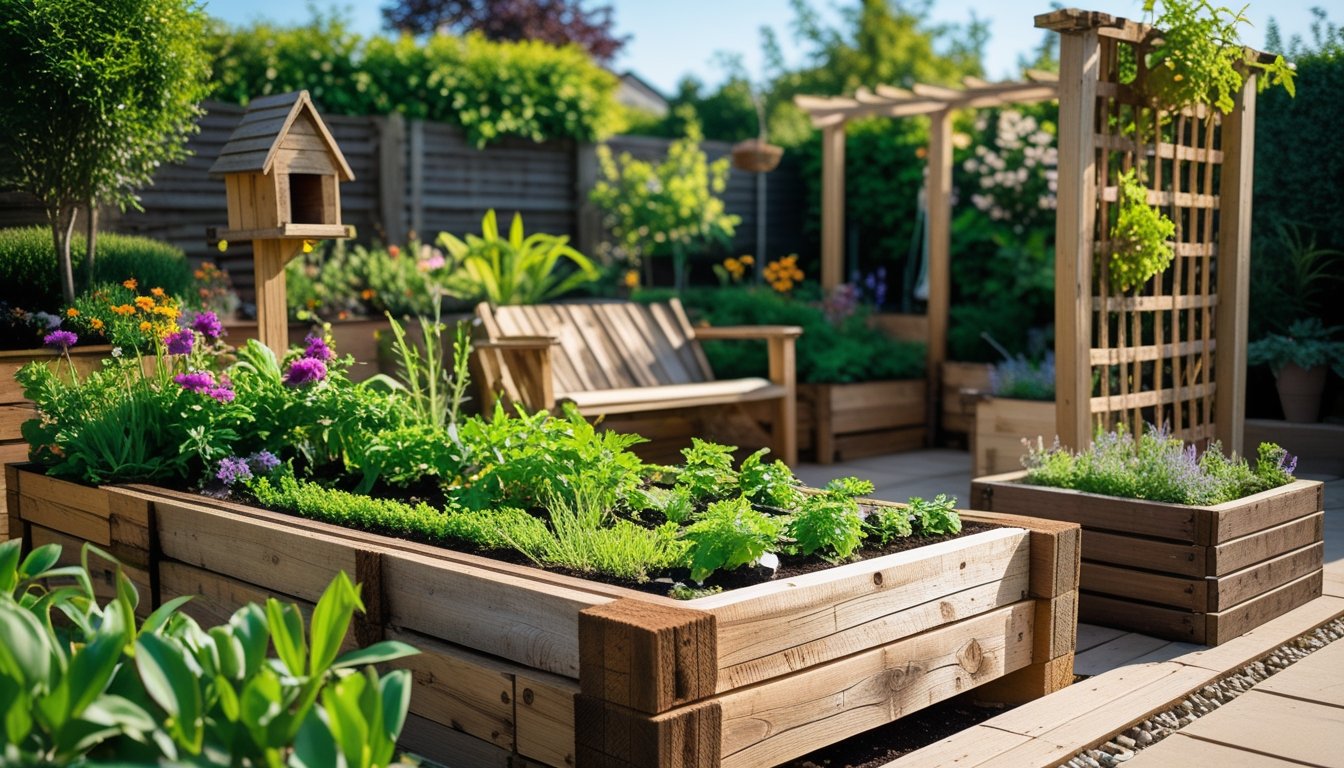
We understand the appeal of turning old wood into something new and beautiful. It offers an opportunity to infuse a sense of history and character into our gardens. From transforming wooden pallets into vertical planters to constructing rustic garden furniture, the possibilities are endless and align perfectly with eco-friendly practices.
Incorporating reclaimed wood in the garden is more than just a trend; it's a thoughtful way to enhance our outdoor aesthetics while being environmentally conscious. Let's explore some inspiring projects that will not only add beauty and functionality to our gardens but also support sustainability efforts.
Key Takeaways
- Reclaimed wood adds rustic beauty and sustainability to gardens.
- Transform pallets and old lumber into unique garden projects.
- Infuse eco-friendly aesthetics through creative wood use.
Essential Techniques for Using Reclaimed Wood in Your Garden
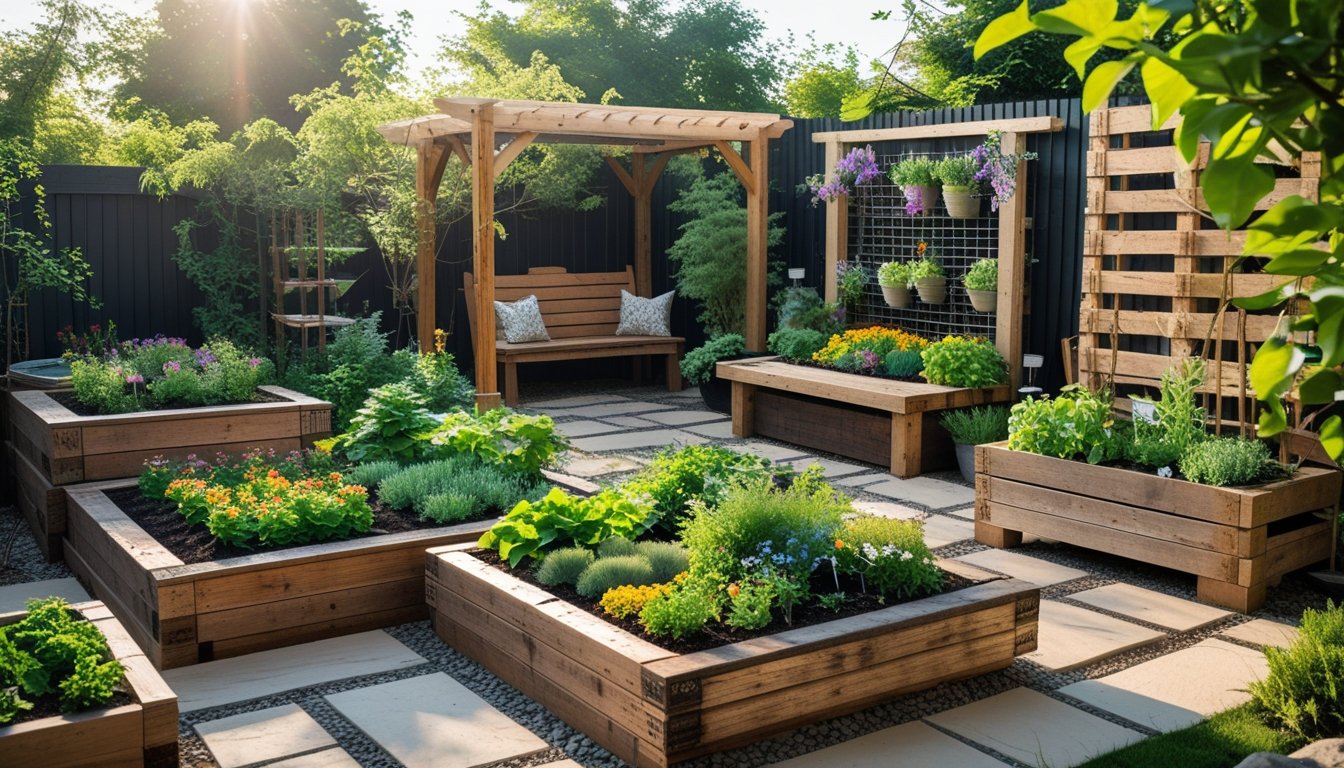
Incorporating reclaimed wood into our gardens not only adds charm but also promotes sustainability by reducing landfill waste. Crucial techniques include sourcing quality reclaimed materials, properly preparing them, and ensuring their durability and safety in outdoor settings.
Sourcing Reclaimed and Weathered Wood
Finding good-quality reclaimed wood is key to our projects' success. We can source materials from salvage yards and architectural salvage stores, which often stock a variety of choices like old furniture or wooden pallets. Another option is exploring online marketplaces, where people sell reclaimed lumber from previous projects. Redwood and oak are ideal choices due to their natural resistance to decay.
Using old pallets and timber salvaged from renovation sites also provides unique textures that enrich our garden's aesthetics. Visiting local demolition projects might reveal materials that are both affordable and full of character. By carefully choosing where to source our reclaimed wood, we ensure not only the quality but also the sustainability of our gardening projects.
Preparing and Treating Reclaimed Materials
Once we've sourced our materials, proper preparation and treatment ensure they last outdoors. First, we must clean the wood thoroughly, removing any old nails, screws, or staples to make it ready for new use. Using a wire brush, we can scrub off dirt and surface rust. It's important then to sand the wood to a smooth finish if desired, which also removes potential splinters.
Applying a wood preservative protects it from moisture, pests, and rotting. Natural oils, like linseed, can bring out the wood's grain while providing a protective barrier. For decoration, we might consider eco-friendly paints or stains that match our garden's style. By meticulously preparing reclaimed wood, we ensure it not only stands the test of time but also enhances our garden's beauty.
Ensuring Safety and Longevity Outdoors
For reclaimed wood to be both safe and durable, several measures must be taken. Stability is vital, so any structures we build, like raised beds or trellises, should be securely fastened using sturdy fixings. Regular maintenance checks can detect early signs of deterioration or pests, allowing us to act swiftly if needed.
To prevent moisture damage, proper drainage around wooden structures is crucial. We may raise garden beds slightly off the ground to avoid direct soil contact. Additionally, selecting wood known for its weather-resistance, such as redwood, prolongs its life outdoors. Through careful execution and upkeep of our projects, we can enjoy the benefits of reclaimed wood in our gardens for many years.
Creative Garden Projects with Reclaimed Wood
Reclaimed wood offers numerous possibilities to enhance our gardens with sustainable and charming elements. These projects not only reduce waste but bring a unique aesthetic appeal to outdoor spaces. By exploring these creative uses, we can transform garden design into an eco-friendly masterpiece.
Building Raised Garden Beds and Vertical Gardens
Raised garden beds constructed from reclaimed wood have a rustic appeal and practical advantages. These beds allow for better soil drainage and can be filled with a custom soil mix. By utilising materials like hardware cloth or wire mesh, we protect plant roots from pests while promoting healthy growth. Incorporating drip irrigation systems ensures efficient watering.
Vertical gardens offer another innovative use of reclaimed wood. By building vertical structures, we can grow more plants in smaller spaces. Climbing plants and ornamental grasses thrive in vertical settings, bringing texture and diversity to our garden design. This approach also maximises sunlight exposure, which is beneficial for sun-loving species like lavender.
Crafting Rustic Pathways and Edging
Creating rustic garden pathways with repurposed wood enhances the natural beauty of our landscape. By slicing logs into rounds or using reclaimed planks, we can lay down durable, charming paths. Placing a landscape fabric beneath these pathways helps to prevent weed growth while maintaining a clean look.
Wooden edging adds another layer of structure and definition. By aligning reclaimed beams or slices along pathways or garden beds, we create clear boundaries that help contain soil and reduce clutter. This edging method complements the rustic theme, giving our garden a cohesive and inviting feel.
Designing Planter Boxes and Outdoor Furniture
Wooden planters and outdoor planter boxes crafted from reclaimed wood provide an aesthetic and practical solution for displaying plants. These boxes can be customised in various shapes and sizes to fit different plants or spaces, adding versatility to their use. By adding galvanized hardware, the planters will be more robust and weather-resistant.
For outdoor relaxation areas, constructing garden furniture like a rustic garden bench from salvaged wood merges functionality with style. These pieces offer a cosy spot to enjoy the garden ambiance and can be designed to suit any taste. Using leftover planks, we can also create complementary pieces like tables or stools, enhancing the overall garden experience.
Adding Artistic and Functional Garden Features
Reclaimed wood offers opportunities for innovative garden features that combine function with artistic flair. Imagine sculptures or functional art pieces that serve a dual purpose, such as a compost bin with decorative paneling. These items not only recycle materials but also add architectural interest.
Creating plant supports like artistic trellises or arches can lend support to climbing plants, while also serving as eye-catching focal points. By using wood differently, we add dimension and personality to our garden spaces, ensuring they are not only sustainable but full of character.
Frequently Asked Questions

Incorporating reclaimed wood into garden design enhances aesthetic appeal while promoting sustainability. Below, we delve into practical tips for using reclaimed wood and address common concerns related to its durability, upkeep, and creative applications.
What are some innovative ideas for incorporating reclaimed wood into garden design?
Reclaimed wood can transform garden spaces. It makes excellent material for rustic trellises, vertical gardens, and decorative fence accents. Additionally, crafting eclectic garden borders or pathways adds a unique touch. The possibilities are endless when creativity meets sustainability.
How can you ensure long-term durability for reclaimed wood when used outdoors?
Ensuring durability starts with selecting robust types of wood, such as cedar or redwood. Applying sealants and finishes that protect against moisture and pests is also critical. Regular maintenance, including inspecting for signs of wear, prolongs the lifespan of your garden features.
What are the best treatment methods for protecting reclaimed wood against weather elements?
Weather elements can take a toll on reclaimed wood. To shield it, we recommend using high-quality wood preservatives. Oil-based stains or sealers provide an essential barrier against rain and UV rays. It's advisable to reapply treatments annually for continuous protection.
Can you suggest ways to use reclaimed timber for creating functional garden features?
Reclaimed timber is ideal for building structures like pergolas, benches, and sheds. These features not only serve a functional purpose but also provide a rustic charm. Consider using it for raised garden beds as well, which combine utility with an eco-friendly ethos.
How do you prepare and maintain reclaimed wood for use as garden planters?
Preparation involves cleaning the wood thoroughly to remove dirt and old finishes. Sanding smooths the surface, ensuring a safer, cleaner base for planting. For maintenance, regular cleaning and re-sealing will protect the planters from decay and keep them in prime condition.
What creative designs for garden furniture can be made from salvaged wood?
With salvaged wood, we can craft distinctive, eco-conscious furniture that elevates outdoor spaces. Options include picnic tables with built-in planters, cosy bench seats with storage, and decorative chairs. These pieces not only provide functionality but also tell a story through their unique grains and textures.