
Late updated: 17 Dec 2025 08:12
Written by: Daniel Harper
Minimalist Furniture Arrangements For Small Spaces: Expert Tips And Solutions
In our increasingly compact homes, making the most of limited space is essential. A minimalist approach to furniture arrangement can transform even the smallest of spaces into functional and stylish havens. By adopting minimalist design principles, we can maximise every square foot to achieve a serene and clutter-free living area.
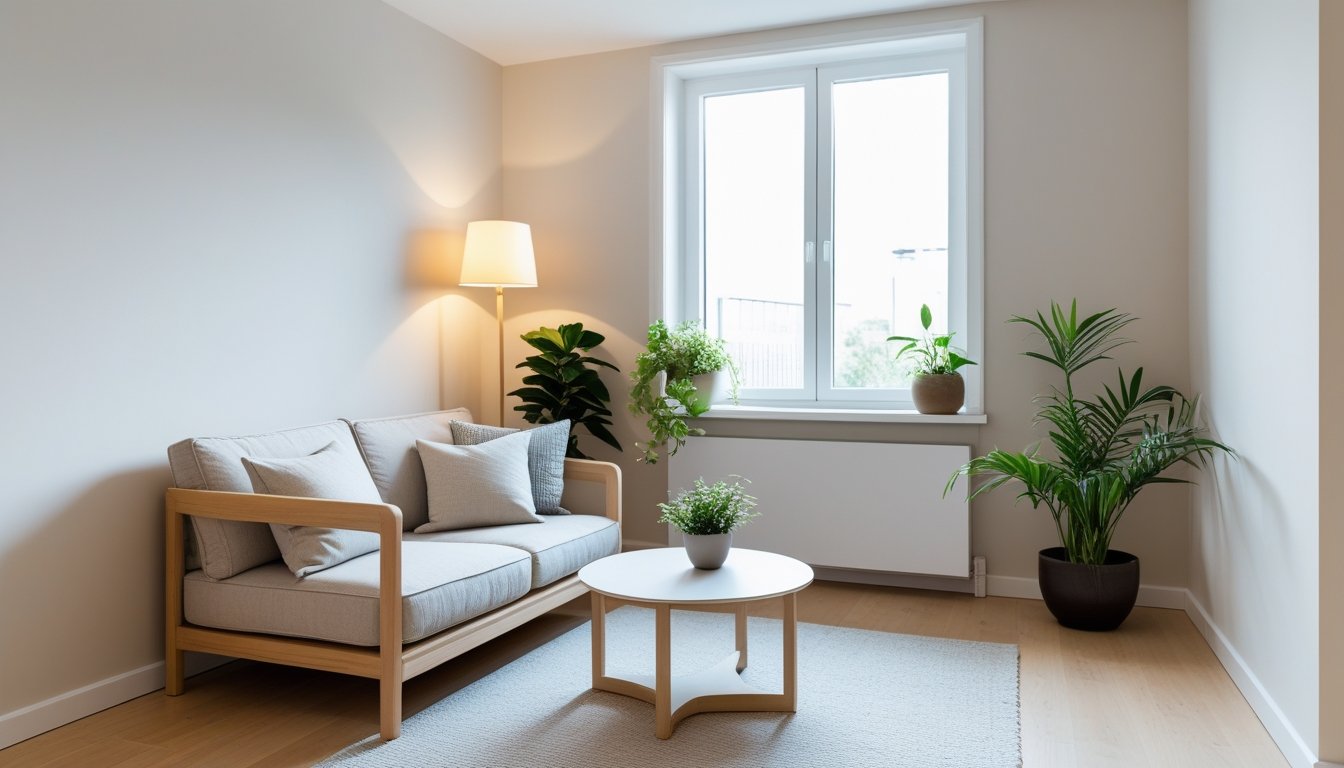
Minimalist furniture arrangements focus on simplicity and functionality. Utilising clean lines and neutral tones can significantly enhance the sense of space in smaller rooms. Strategic furniture placement plays a crucial role in creating a balanced and inviting environment while maintaining a sense of openness.
Creating an efficient and aesthetically pleasing space doesn't mean sacrificing comfort or style. Smart furniture choices, such as multi-functional and space-saving pieces, allow us to enjoy the amenities of a spacious home while living within smaller dimensions. Explore how these elements can provide stylish solutions for your small living spaces.
Key Takeaways
- Minimalist principles optimise small living spaces.
- Strategic placement enhances space and functionality.
- Multi-functional furniture offers style without clutter.
Core Principles of Minimalist Furniture Arrangements for Small Spaces
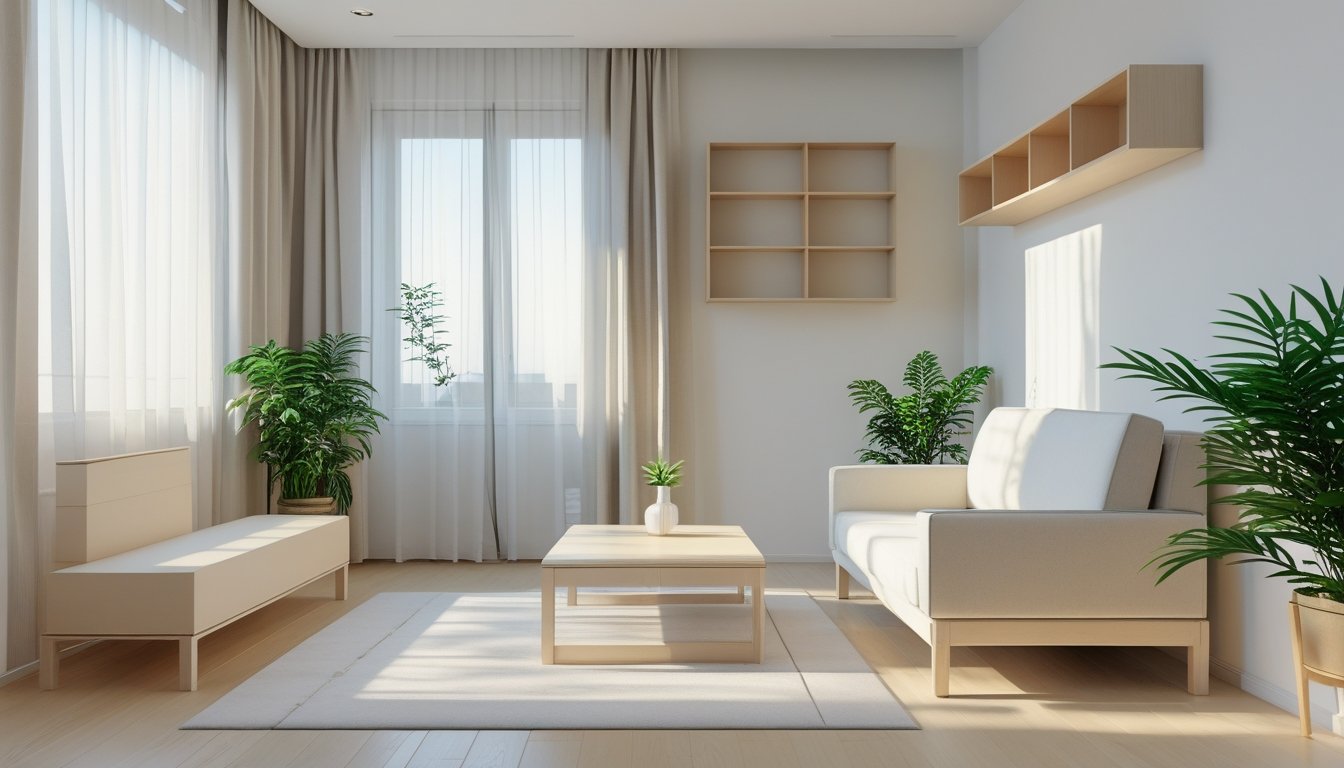
In the realm of minimalist design, balancing functionality with aesthetics is key when arranging furniture in small spaces. These strategies focus on creating a serene and open environment, enhancing visual space and light.
Minimalist Aesthetic and Clean Lines
Minimalism thrives on simplicity and functionality, characterised by a lack of clutter and an emphasis on clean lines. Furniture with sleek, straight edges and geometric shapes helps maintain an organised appearance. Pieces should serve dual purposes when possible, e.g., a sofa bed or an ottoman with storage, contributing to a functional yet visually appealing space. When we select furniture, we opt for items with minimal embellishments, focusing on those that embody elegance through subtlety. The minimalist aesthetic allows each piece to stand out without overwhelming the space, creating a harmonious environment.
Optimising Visual Space With Neutral Palettes
The use of a neutral colour palette is vital in enhancing visual space within a minimalist setting. White walls or soft greys provide a blank canvas that amplifies the perception of space. Neutral tones in furniture—such as beige or taupe—support this, encouraging a sense of unity and openness. It’s beneficial to incorporate subtle pops of colour through accessories like cushions or art, which can add interest without cluttering. The consistency of these tones promotes a seamless flow from one area to the next, making the room feel contiguous and expansive. By choosing furnishings in neutral colours, we allow natural light to reflect more effectively, contributing to a brighter, airier atmosphere.
Maximising Natural Light and Airy Feel
Natural light is a cornerstone of minimalist design, transforming small spaces by boosting their natural openness. Large windows without heavy drapes should be embraced to maximise light intake. When privacy is needed, light-filtering curtains in neutral shades can be used. We should consider mirror placements to reflect light around the room, magnifying the airy feel. Natural materials like wood and linen in furniture not only complement the minimalist ethos but help create warmth without heaviness. Fingering through pieces to find those that allow light to pass or rest on their surfaces ensures our space remains bright and inviting, encouraging a tranquil, uncluttered experience.
Strategic Furniture Placement and Solutions for Small Spaces
Efficient furniture arrangement in small spaces requires a thoughtful balance between aesthetics and functionality. By concentrating on creating focal points, utilising multi-functional pieces, and incorporating smart storage, we can transform any compact area into a harmonious and organised environment. Let's explore these strategies.
Creating a Focal Point and Clear Pathways
In a small space, establishing a focal point is essential to add character and direct the eye, creating a sense of spaciousness. This could be a bold accent like a statement piece of art or a unique pendant light. Placing furniture in a way that supports this focal point, such as orienting a low-profile sofa or armchairs towards it, can anchor the room and promote a cohesive design.
Clear pathways are just as crucial. Ensuring there is enough room to move comfortably around the furniture enhances the visual flow and provides breathing room. Essential paths should be at least 2 feet wide to facilitate regular passage without obstruction. Consider using furniture with exposed legs, like nesting tables or an open wooden coffee table, to maintain open sightlines and prevent a cluttered look.
Selecting Multi-Functional and Space-Saving Furniture
Multi-functional furniture dramatically increases the versatility of a small living area. Items like storage ottomans or low-profile sofas with under-seat storage combine function and style, eliminating the need for additional storage solutions. In the same vein, a wall-mounted drop-leaf table or a Murphy bed can be tucked away when not in use, maximising floor space.
We embrace pieces that serve dual purposes, like a bench seating with hidden storage or a wall-mounted desk that offers an occasional workspace. A furniture layout that includes flexible seating options, such as stackable stools or floor cushions, accommodates more people without permanently occupying space. These choices optimise the room’s utility, making it a dynamic and adaptable space.
Incorporating Smart Storage and Decluttering Strategies
Smart storage solutions are vital in maintaining a clutter-free environment. Using vertical shelving or floating shelves takes advantage of unused wall space, freeing up the floor and keeping the room airy. Storage solutions like baskets or boxes can be attractive yet practical additions, especially in a minimalist living room.
When dealing with small spaces, decluttering is a non-negotiable step. By regularly assessing personal belongings, we ensure only essentials remain, contributing to a sense of order and simplicity. Hidden storage solutions, like a bed with built-in drawers or a wall-mounted TV unit, can also be instrumental in keeping surfaces clear, making the space feel more open.
Enhancing Flow With Floating and Wall-Mounted Pieces
Utilising floating and wall-mounted furniture offers an exceptional way to consolidate space and maintain flow. Floating shelves not only provide stylish storage but also create a visual flow by drawing the eye upwards, adding height to a room. Meanwhile, a wall-mounted TV or floating desk can save valuable floor space, helping maintain an open floor plan.
Strategically placing mirrors enhances the perception of space and light. For example, mirrors adjacent to windows can reflect natural light, making a room feel larger and brighter. Combining floating and wall-mounted pieces with strategic mirror placement creates a balanced and harmonious living area, enabling us to make the most of every inch in small living rooms.
Frequently Asked Questions
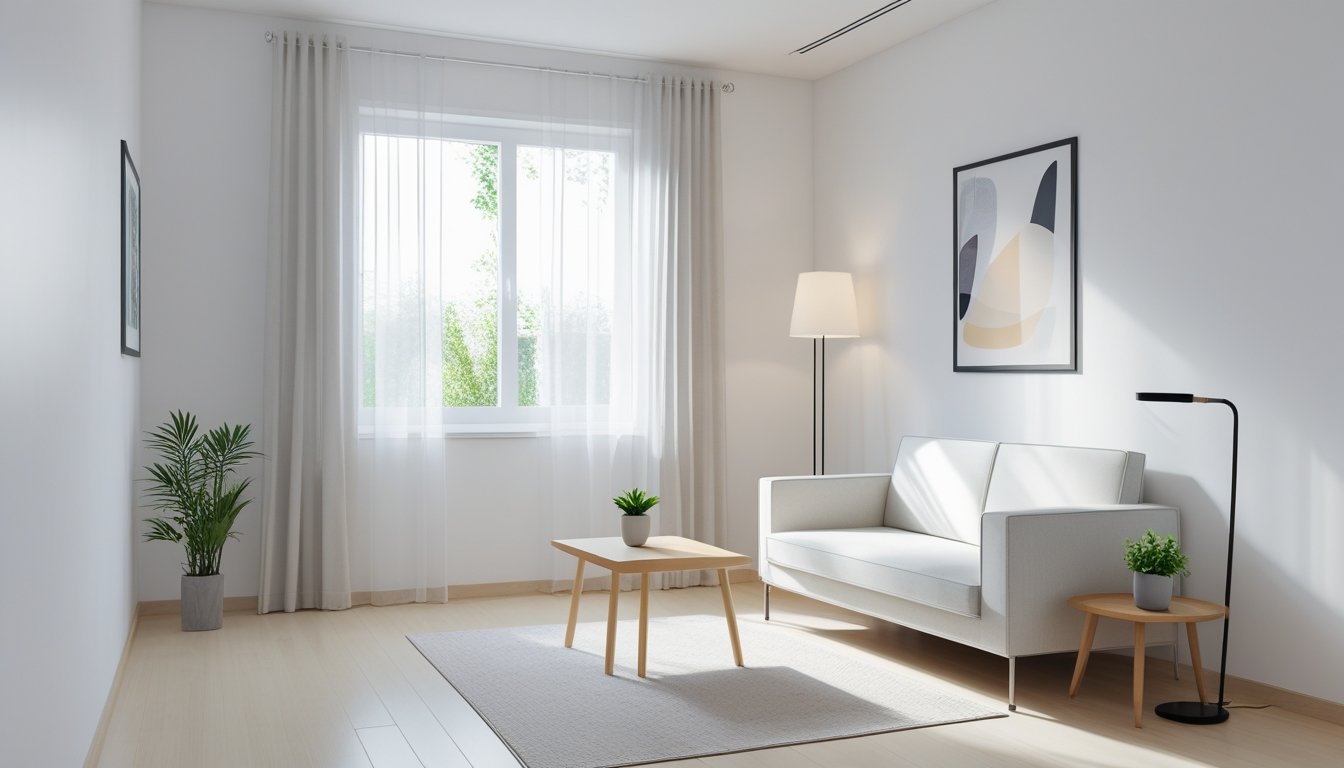
In small spaces, designing with intention is essential. From multifunctional furniture to strategic lighting, there are many ways we can create the illusion of a larger area while maintaining a minimalist aesthetic.
How can multi-functional furniture pieces maximise a small living area?
Multi-functional furniture offers practical solutions in small spaces by combining various functions into one piece. For instance, a sofa bed provides seating during the day and becomes a sleeping area by night. Ottomans with hidden storage allow us to keep essentials stowed away, maintaining an uncluttered look.
What are the best ways to arrange furniture in a compact bedroom?
In compact bedrooms, placing the bed against a wall can free up floor space. Using vertical storage, like tall bookshelves or wall-mounted units, helps utilise every inch without overwhelming the room. Keeping pathways clear enhances flow and prevents the space from feeling cramped.
Which colour schemes help to create the illusion of more space?
Light colours such as whites, soft greys, and pastels can make a room feel larger and airier. These shades reflect more light, enhancing the sense of openness. Incorporating a cohesive colour palette throughout the space ensures a seamless transition between areas, preventing the room from feeling fragmented.
What strategies are there for selecting and positioning lighting to enhance a small room's ambience?
Layered lighting can add depth and warmth to a small room. Ambient lighting provides overall illumination, while task lighting, such as desk lamps or under-cabinet lights, highlights specific areas. Accent lighting can be used to create focal points, drawing attention to artwork or architectural features, making the space feel more inviting.
How can one maintain a clutter-free environment with minimal storage options?
Adopting a minimalist mindset is key. Prioritise keeping only items that serve a purpose or bring joy. Creative storage solutions, such as under-bed drawers or wall-mounted racks, allow us to maximise space. Regular decluttering sessions help maintain an organised environment, preventing accumulation of unnecessary items.
What are the key design principles to follow when creating a minimalist aesthetic in tight quarters?
Simplicity and functionality should guide our design choices. Selecting furniture with clean lines and avoiding excessive ornamentation can maintain a serene atmosphere. Balance is achieved by combining different textures and materials, ensuring the space feels harmonious while reflecting personal style.